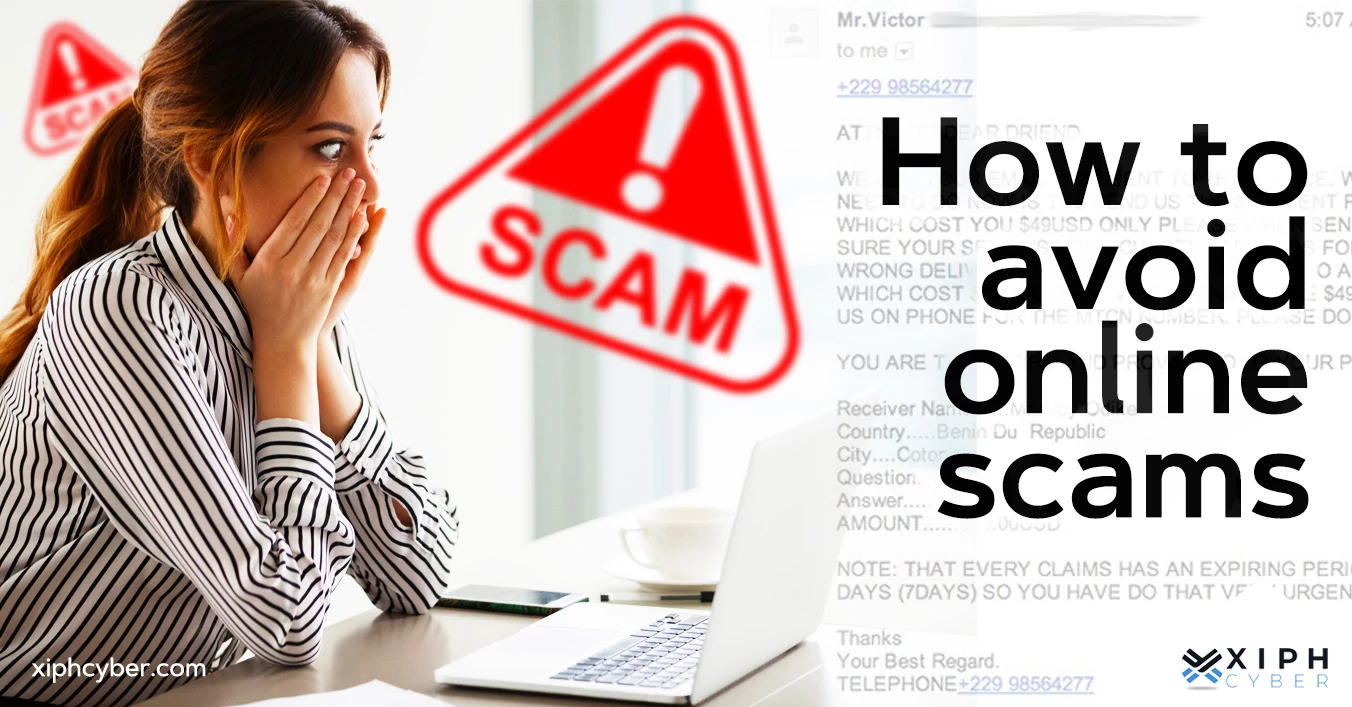
The internet is useful for learning, shopping, banking, and communication. People connect with friends, buy products, pay bills, and use social media online. Scammers take advantage of users who are not careful. Online scams trick people to steal money, personal information, or passwords. Everyone using the internet should know about common online scams. Understanding scams helps stay safe online.
1. Phishing Scams
Phishing is a scam where attackers pretend to be trusted organizations. They send emails, messages, or websites that look real. Users are asked to enter passwords, bank details, or personal information. Scammers use information to steal money or access accounts.
How to Avoid Phishing:
- Check email address and website URL carefully.
- Do not click unknown links.
- Verify requests with official company websites.
- Enable two-factor authentication for accounts.
Phishing is one of the most common scams worldwide. Many people lose money each year because of phishing.
2. Online Shopping Scams
Fake online stores trick buyers. Scammers create websites that look real. Products may never arrive. Fake stores steal payment information. Some websites sell fake or low-quality products.
How to Avoid Shopping Scams:
- Buy from trusted and verified websites.
- Check reviews and ratings.
- Use secure payment methods.
- Avoid deals that look too good to be true.
Online shopping scams increase during sales or festive seasons. Awareness prevents financial loss.
3. Tech Support Scams
Scammers pretend to be tech support agents. They call, message, or email claiming a computer or phone has viruses. Users are asked to give remote access or pay for services. Scammers steal data or money.
How to Avoid Tech Support Scams:
- Do not trust unknown calls claiming to fix devices.
- Contact official support websites.
- Never give access to devices unless verified.
- Ignore pop-ups asking for urgent fixes.
Tech support scams target both beginners and experienced users. Awareness helps avoid risks.
4. Online Banking and Payment Scams
Scammers steal money through fake banking messages, apps, or websites. Users are tricked into entering bank passwords or OTP codes. Money may transfer instantly to scammers’ accounts.
How to Avoid Banking Scams:
- Use official banking apps and websites only.
- Never share OTP codes or passwords.
- Check transactions regularly.
- Enable alerts for every transaction.
Online banking scams grow with digital payments. Being cautious is necessary.
5. Lottery and Prize Scams
Scammers claim users won prizes or lotteries. They ask for advance payment or personal information. There are no real prizes. Users lose money or data.
How to Avoid Lottery Scams:
- Ignore messages about unexpected prizes.
- Do not pay for fake prizes.
- Verify any contest or lottery with official websites.
- Avoid clicking unknown links.
Prize scams attract people with promises of money or gifts. Awareness prevents fraud.
6. Romance Scams
Romance scams happen on dating apps and social media. Scammers create fake profiles. They build trust and ask for money. Victims are tricked emotionally and financially.
How to Avoid Romance Scams:
- Do not send money to online strangers.
- Verify profiles and check for fake photos.
- Be careful sharing personal information.
- Report suspicious users.
Romance scams can cause emotional and financial damage. Staying alert is important.
7. Investment and Cryptocurrency Scams
Scammers promise high returns on investments or crypto. They ask users to send money quickly. Fake platforms steal funds. Promises of “easy money” are usually false.
How to Avoid Investment Scams:
- Research investment platforms.
- Avoid platforms without proper registration.
- Do not trust unrealistic promises.
- Verify with financial authorities.
Investment scams increase with digital trading. Knowledge protects users from losses.
8. Fake Job Scams
Scammers offer fake jobs online. They ask for money for training or documents. There is no real job. Scammers collect personal and financial data.
How to Avoid Job Scams:
- Verify company details and job offers.
- Never pay money for job applications.
- Use trusted job portals.
- Check reviews of employers online.
Job scams target students, job seekers, and professionals. Careful research prevents fraud.
9. Social Media Scams
Social media scams include fake contests, impersonation accounts, or links to malware. Users may click unsafe links or share personal data.
How to Avoid Social Media Scams:
- Check profiles before connecting.
- Do not click unknown links.
- Enable privacy settings.
- Report suspicious accounts.
Social media scams are common because many people share personal information online.
10. Subscription and Hidden Fee Scams
Some websites or apps trick users into subscriptions. Free trials may have hidden charges. Users may not notice and pay monthly fees unknowingly.
How to Avoid Subscription Scams:
- Read terms before signing up.
- Cancel unused subscriptions.
- Use secure payment methods.
- Track bank statements for unknown charges.
Hidden fees scams are tricky but checking details can prevent loss.
11. Phony Apps and Downloads
Fake apps contain malware or steal data. Some apps promise free games, videos, or utilities. Users download apps from unknown sources and lose personal information.
How to Avoid Fake Apps:
- Download apps only from official stores like Google Play or App Store.
- Check reviews and ratings.
- Read app permissions before installing.
- Delete unknown or suspicious apps.
Fake apps spread viruses and collect sensitive data. Awareness protects devices.
12. Online Survey and Free Gift Scams
Scammers offer free gifts or rewards for surveys. Users give personal details. Scammers may sell information or ask for money for “shipping fees.”
How to Avoid Survey Scams:
- Avoid sites promising free gifts for personal details.
- Never pay money for survey rewards.
- Verify companies before sharing information.
- Check reviews online.
Survey scams exploit curiosity and greed. Care prevents risk.
Tips to Stay Safe Online
- Use strong passwords and two-factor authentication.
- Keep software and antivirus updated.
- Avoid sharing personal or financial data online unnecessarily.
- Verify websites and apps before using them.
- Educate family and friends about online scams.
- Monitor bank accounts and transactions regularly.
- Report scams to authorities or online platforms.
Conclusion
Online scams are common in 2026. Phishing, shopping scams, tech support fraud, banking scams, lottery scams, romance scams, investment fraud, job scams, social media fraud, hidden fee scams, fake apps, and survey scams affect many users. Awareness and caution are key to staying safe. Verify sources, avoid suspicious links, secure passwords, and update devices regularly. Educated internet users prevent financial loss, protect personal data, and use the internet safely. Following simple rules keeps devices secure. Safe habits make online life productive, enjoyable, and safe.