Technology is changing very fast. Every year, new tools and ideas appear that change how we live, learn, and work. In 2026, there are many new trends in technology. These trends are helping businesses grow, making life easier, and creating cool new experiences. In this article, we will talk about the most important technology trends in 2026 in easy words everyone can understand.
1. Artificial Intelligence (AI) Everywhere
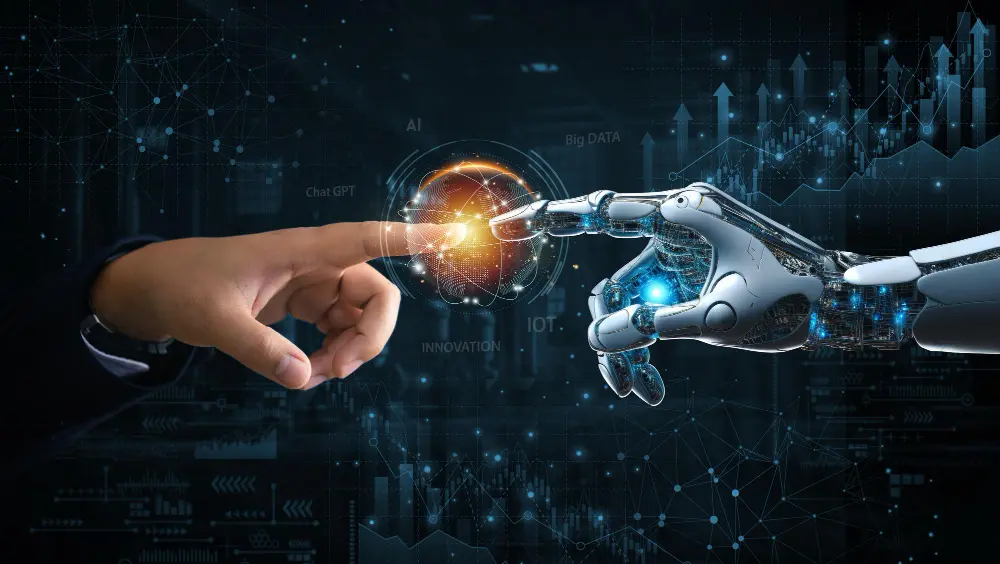
Artificial Intelligence, or AI, is one of the biggest technology trends in 2026. AI means machines or software that can think and learn like humans. In the past, AI was only in science fiction or big labs. Today, AI is used in many parts of life.
AI helps doctors find sickness faster. It helps teachers make lessons better. AI also helps programmers write code and helps people speak different languages. Many phones and computers now use AI to give suggestions, answer questions, and make things faster. Because AI keeps learning from data, it will keep getting smarter.
2. Faster and Smarter Internet (6G and Beyond)
In 2026, the internet is faster than ever. Many countries are testing 6G, the next version of mobile networks. 6G is much faster than 5G and can send more data with less delay. This means downloads, streams, and video calls will be even smoother.
Faster internet will help smart cities, online learning, and remote work. People will be able to use virtual classes and digital stores from anywhere. Even cars and machines will connect to the internet more often. This is called the “Internet of Things” or IoT.
3. Virtual Reality (VR) and Augmented Reality (AR)
Virtual Reality (VR) and Augmented Reality (AR) are changing how we use technology. VR lets you enter a computer world with special glasses or headsets. AR adds digital items to the real world, like games or apps that show digital objects in your room.
In 2026, VR and AR are not only for games. They are used in schools, hospitals, and businesses. For example, students can visit ancient history sites in VR. Doctors can practice surgeries in a safe digital space. Workers can fix machines with AR guides that show steps in real time. These tools help people learn and work faster.
4. Smart Devices in Every Home
Smart devices are tools that connect to the internet and can be controlled with apps or voice commands. In 2026, many homes have smart lights, smart locks, smart fridges, and more. These devices help save energy and make life easier.
For example, smart thermostats learn your routine and adjust temperature to save power. Smart fridges can tell you when food is old or low. Some smart devices even help people with health issues by reminding them to take medicine or tracking their sleep. These tools are becoming more common and affordable.
5. Robots and Automation
Robots are machines that can do tasks automatically. In 2026, robots are used in many industries. Factories use robots to build cars and products quickly. Some stores use robots to help with inventory or customer service.
In homes, robot vacuums and lawn mowers are popular. There are even robots that can help elderly people with daily tasks. Automation means machines can do boring or dangerous work, so humans can focus on creative and important work. This helps companies save time and money.
6. Green and Clean Technology
In 2026, many people and countries are focused on clean energy and protecting the environment. Green technology means tools that help save the planet. Solar panels and wind turbines are now cheaper and more powerful. Many cities use electric buses and cars to reduce pollution.
New technology also helps farmers grow food with less water and land. Smart systems can measure soil and weather to help farmers know exactly when to water crops. This trend helps farmers grow more food and protect nature.
7. Cybersecurity and Privacy Protection
As technology grows, so do safety risks. Cybersecurity means protecting computers and data from hackers. In 2026, more people care about protecting personal data. Many companies use advanced security tools to stop cyber attacks.
New tools use AI to find threats before they cause harm. Passwords are becoming stronger or replaced by biometrics like face scans or fingerprints. People are also learning more about how to protect their privacy online.
8. Quantum Computing
Quantum computing is a new type of computer that can solve hard problems much faster than normal computers. In 2026, quantum computers are still rare, but they are becoming more real. Big tech companies and scientists are using them to study health, weather, and materials.
For example, quantum computers could help find new medicine faster. They could also solve bad traffic problems in smart cities. While most people will not use quantum computers at home, their power is already helping research and big projects.
9. Personalized Learning and Education Technology
Technology is also changing how students learn. In 2026, many schools use digital tools that adjust lessons based on each student’s needs. This is called personalized learning.
Apps and online platforms can track what a student knows and give extra help where needed. Teachers can use this information to support students better. Some tools even use VR to make learning fun and interactive. Students can explore science labs, historical sites, or art galleries without leaving the classroom.
10. Digital Health and Wearable Tech
Digital health is one of the biggest trends in 2026. Technology helps doctors and patients stay connected. People use smart watches and fitness bands to track steps, heart rate, sleep patterns, and more.
These devices can share data with doctors in real time. This means doctors can check a person’s health without an office visit. Apps can remind people to take medicine, drink water, or do exercises. Digital health tools help people stay healthy and catch problems early.
11. Blockchain Beyond Money
Most people know blockchain from Bitcoin and other digital money. In 2026, blockchain is used for much more than money. Blockchain is a secure and open digital record system. It helps verify data in many areas like supply chains, healthcare, and voting systems.
For example, blockchain can track where food comes from so people know it is safe. It can also protect patient records so no one can tamper with them. Many companies are exploring blockchain because it is safe and transparent.
12. Space Technology and Satellites
Space technology is no longer only for governments. In 2026, private companies are launching satellites and exploring space. Satellites help with weather data, communication, navigation, and earth monitoring.
Low-earth orbit satellites help connect remote places to the internet. This means people in far areas can get high-speed internet too. Space travel is also becoming more common, and companies want to send missions to the Moon and Mars.
Conclusion
In 2026, technology is changing life in many ways. New tools like AI, fast internet, VR, robots, and green tech are making life easier, safer, and more fun. These trends help students learn better, doctors treat patients faster, cities become smarter, and companies grow stronger.
Technology also brings new challenges, like safety and privacy concerns. But with smart rules and careful use, technology can be a powerful force for good.
The future is exciting, and the trends of 2026 show that technology will continue to shape our world in positive ways.